LinkedIn · UK Guide
What Makes a Professional LinkedIn Headshot Work in the UK
Your LinkedIn profile photo is the first thing a recruiter or potential client sees before they read a word you've written. In the UK job market, where professional restraint is valued over personal branding theatrics, the wrong headshot closes doors quietly. Nobody tells you why they didn't click through.
What British Recruiters Actually Notice
UK recruiters spend roughly two seconds on a profile photo before deciding whether to read further. In that window they're not assessing beauty or charisma. They're reading for one thing: does this person look like they belong in a professional setting?
A 2023 survey by the Chartered Institute of Personnel and Development found that 67% of UK hiring managers say a LinkedIn profile photo influences their initial impression of a candidate. The photo doesn't win you a job. A poor one means your profile gets skipped.
The photos that pass the two-second test share four qualities: clean light, neutral background, appropriate dress, and an expression that reads as confident without trying too hard.
Lighting
Light quality is what separates a professional headshot from a well-intentioned selfie. The goal is even, diffused light on your face with no harsh shadows under your eyes or chin.
What works
A large window to one side of you, on an overcast day, produces the same quality of light as a professional softbox. Overcast skies act as a giant diffuser. The light wraps around your face rather than casting hard shadows. If you are near a large window and the sun is not directly on you, you have workable light.
Studio lighting setups, octaboxes and large softboxes placed at a 45-degree angle, replicate this at any time of day. This is why studio headshots are consistent. You are not fighting the weather or the clock.
What to avoid
Overhead lighting creates shadows in your eye sockets and under your nose. It is the most common reason a DIY headshot looks wrong even when everything else is right.
Ring lights create a circular catch-light in the eyes that reads as amateur to anyone who looks at photographs professionally. They are a giveaway that the photo was taken at a desk or in a bedroom.
Bright sunlight is harsh and unflattering unless you are in open shade. A photo taken outdoors in direct sun will show squinting, strong shadows, and uneven skin tone.
Background
The background in a LinkedIn headshot should not compete with your face. The moment a viewer notices the background before they notice you, the photo has failed.
| Industry | Background that works |
|---|---|
| Finance, law, accountancy | Plain charcoal, dark grey, or white. No texture, no context. |
| Tech, product, engineering | Plain background or softly blurred workspace. Shows environment without distraction. |
| Creative, design, marketing | More flexibility. A clean, intentional environment can reinforce your brand. |
| Healthcare, education | Plain or softly blurred. Clean and approachable. |
| Senior leadership, board level | Plain background. The person is the authority signal, not the setting. |
Avoid: outdoor locations with trees or buildings behind you, your home bookshelf, branded office walls, and green screen composites. A composite background is detectable and undermines the impression of professionalism you are trying to build.
Expression
The expression in your headshot communicates more than any other element. UK professional culture sits between American warmth and Northern European reserve. A broad open smile reads as slightly forced. A closed, stern expression reads as cold.
The expression that works is a relaxed, engaged look with a slight smile. Eyes directly at the lens, not at the photographer. Lips relaxed or with a small, natural upturn. The expression you'd have when you've just been introduced to someone you think you'll like working with.
Why most headshot expressions fail
The problem is time. A natural expression held for more than three seconds becomes a performance. The muscles disengage, the eyes go flat, and the result looks exactly like what it is: someone standing in front of a camera trying to smile professionally.
Photographers who know what they're doing produce genuine expressions by keeping the session moving. Conversation, movement, looking away and back. The best frames come in the moments between, not during the sustained hold.
Attire
Dress for the photo as you would for a client meeting. An interview calls for conservative formality. A client meeting calls for authority in your specific field.
By sector
- Finance, law, consulting: Dark suit, white or pale blue shirt, simple tie optional. Nothing distracting. The authority comes from the expression, not the outfit.
- Tech and startups: Smart casual works. A plain merino jumper, an open-collar shirt, a clean blazer without a tie. Avoid branded hoodies or anything with a logo.
- Creative and marketing: More latitude, but intentional. A strong colour or an interesting texture can reinforce your visual sensibility if you work in design or brand.
- Healthcare and education: Smart but approachable. A coloured shirt or blouse, a blazer. Clean and considered.
What British recruiters flag
Busy patterns distract from your face. Logos date quickly and carry unwanted associations. Low-cut necklines read differently on a professional platform than they would elsewhere. White against pale skin needs careful lighting or it creates glare. UK professional culture errs toward understatement — the outfit should not be the first thing someone notices.
Crop and Framing
LinkedIn displays profile photos as a circle crop at small sizes. Your face should fill 60 to 70% of the frame. Shoulders visible, some space above the head. A face crop with nothing below the chin looks like a passport photo. A full-body shot in a LinkedIn circle thumbnail is illegible.
LinkedIn recommends a minimum of 400x400 pixels. Most photographers deliver square crops at 1000x1000 or higher. That size handles the circle crop cleanly.
The Most Common Mistakes
- Cropping a group photo. The quality drops, the angle is usually wrong, and it is always detectable.
- Using a photo more than three years old. If you look significantly different in person, the recruiter notices when they meet you.
- Selfie angle. A phone held above you creates a perspective that reads as informal regardless of what you are wearing.
- Heavy editing or filters. Smoothing tools flatten the face. Heavy contrast adjustments make skin tones look wrong. The LinkedIn algorithm also performs better with natural-looking images.
- Sunglasses in the photo. Common enough that it needs saying.
Getting the Photo Done
The difference between a headshot that works and one that doesn't usually comes down to direction. You can control the lighting, the background, and the outfit. Producing a natural expression in front of a camera, when you are aware of being photographed, is harder without someone whose job is to make that happen.
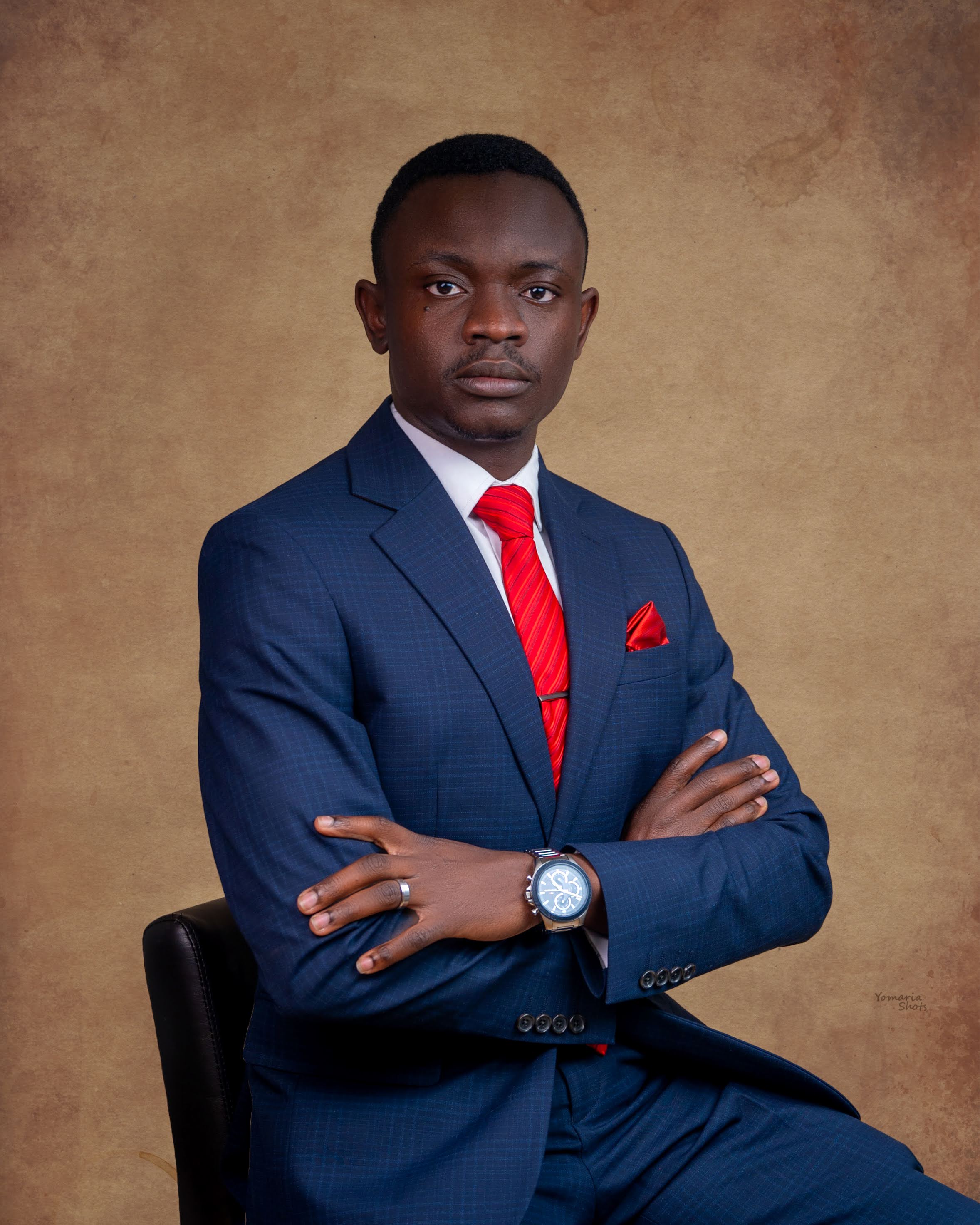
Studios that specialise in professional headshots rather than general portrait photography tend to run shorter, more focused sessions. Yomaria Shots, based in Dundee, runs headshot sessions built specifically around this — a pace that lets clients settle before the camera starts producing frames worth keeping. The results read naturally on LinkedIn because they were produced naturally, not held and waited for.
For most professionals, a 45-minute headshot session produces three to five usable images. One strong LinkedIn photo. A second for your company website. A third for press use. That is enough for two to three years of professional use across all platforms.
How Often to Update
Update your headshot when your appearance changes noticeably, when you change sector or seniority level, or when the photo is more than three years old. Recruiters do notice when the person who shows up for an interview looks different from the profile. It creates a small doubt that does not need to be there.
Book a LinkedIn Headshot Session
Dundee studio. 45-minute sessions from £150. Delivery within two weeks, ready for LinkedIn, your website, and press use.
Book a Session →